

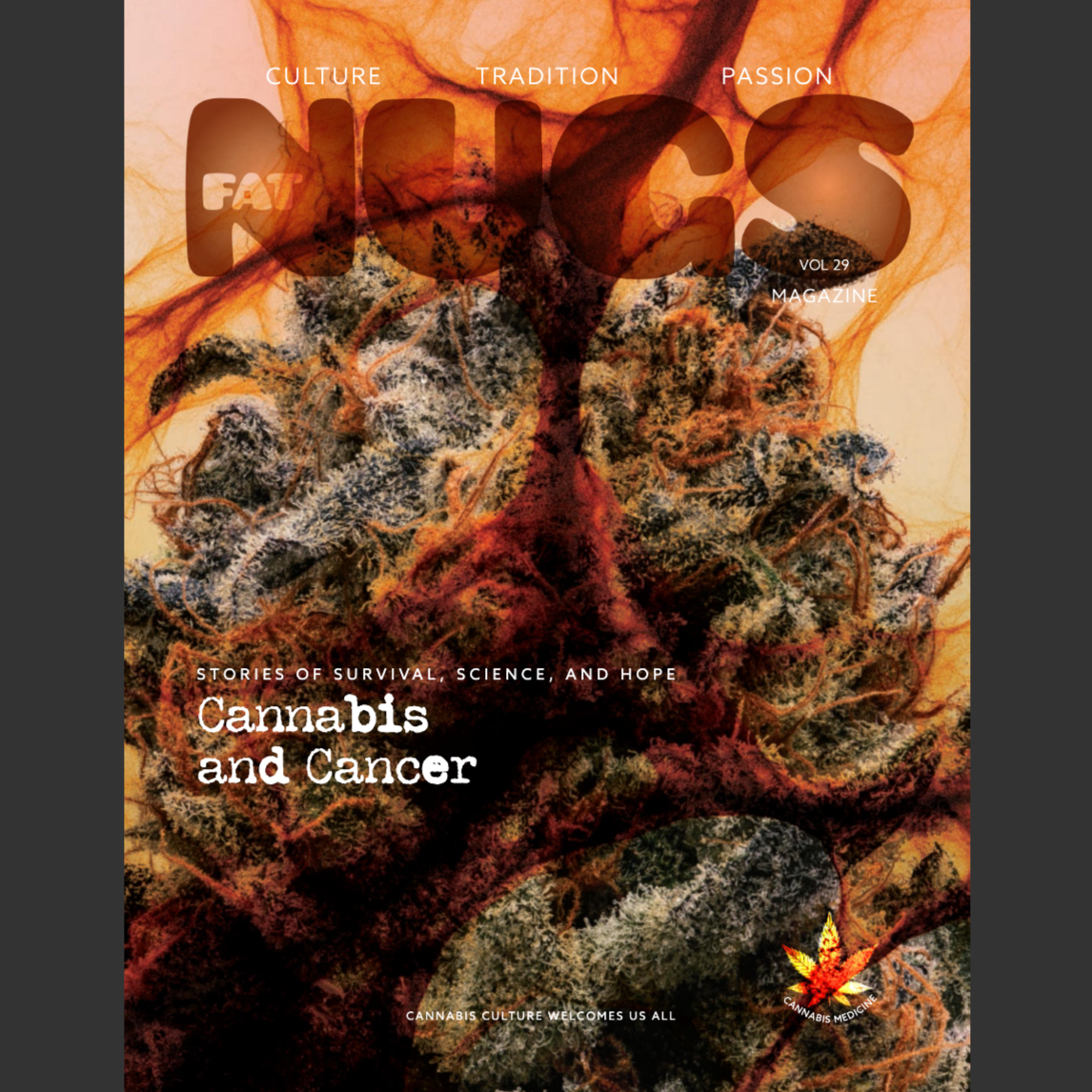
In 1993, there was a young Siberian woman found preserved in Altai permafrost. She had been there for roughly 2,500 years. Among the items buried alongside her was a leather pouch of cannabis. Modern imaging wasn’t run on it until 2010 which revealed what had likely defined the final years of her life, a breast tumor with evidence of spread to her lymph nodes. The cannabis buried with her was almost certainly there for a reason: the pain, the nausea and the things the disease was doing to her body.
Approaching the trailhead, Panama’s Soberanía National Park loomed ahead like a wall of green. Two-hundred-foot trees formed the roof of the canopy. In successive layers below, others spread their branches. Palms with ten-foot leaves filled any available space. Woody vines wound their way across it all, connecting the landscape and wrapping around trees to reach high into the canopy. Humid and hot, the shade of the jungle was calling.
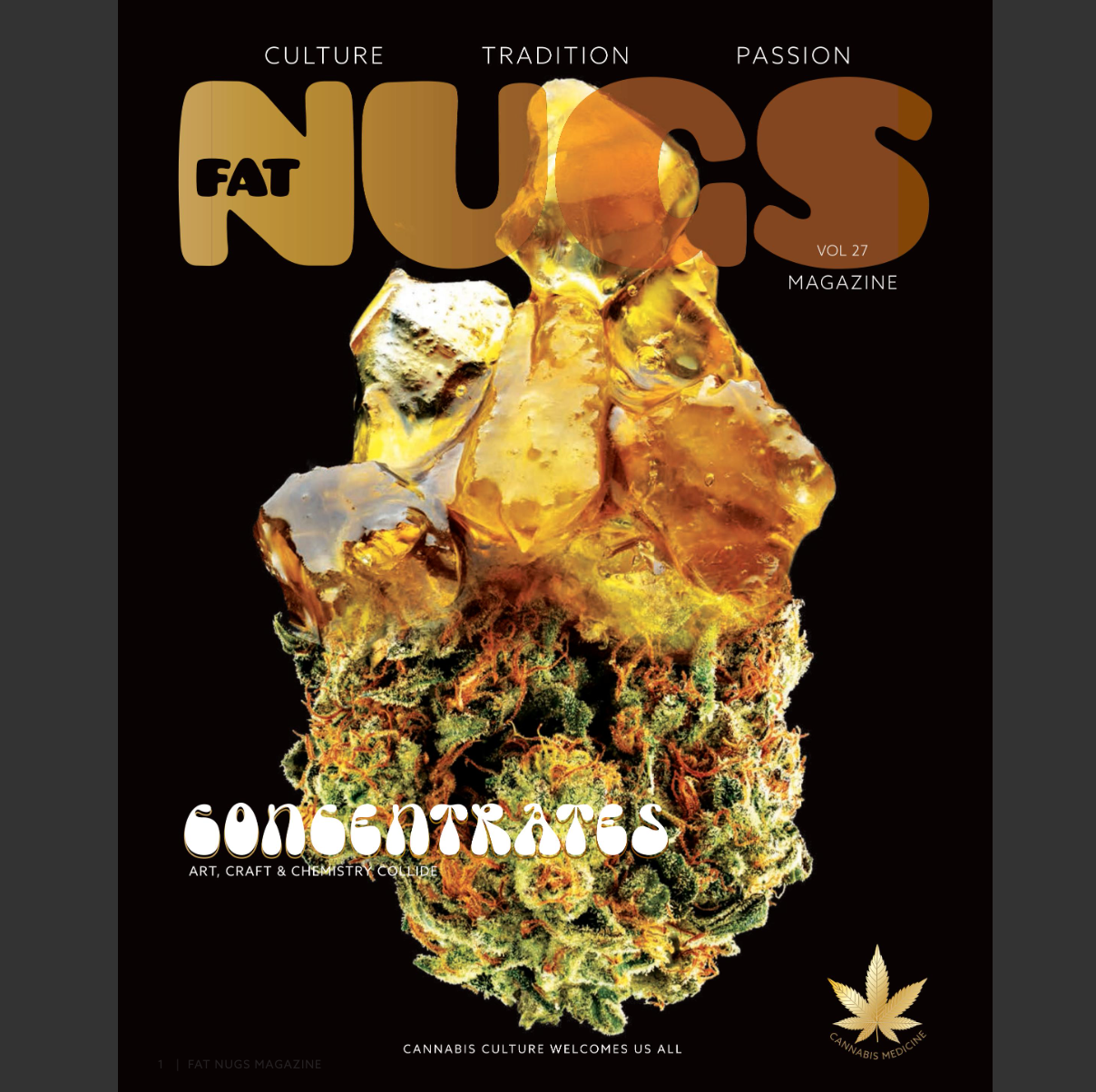
“You want me to do what?” I asked, sure I’d misheard. Fresh out of college, I landed my first job in Denver’s medical cannabis scene as a hashmaker. I’d been growing and consuming for years, but hash was brand new territory. So when someone handed me a five-gallon bucket, a stack of nylon micron bags, pounds of beautiful flower and pointed me toward the ice, I did a double take.
Over the last twenty years of regular cannabis consumption and connoisseurship, my habits and preferences have remained relatively unchanged. While I enjoy all the entourage effects of the plant, the relaxation side of things is what I dig most. With too many projects going on between work and family life, I stay up late, overthink, work odd hours and have trouble staying present. Cannabis has always been there to help with that. It lets me take off the stresses of the day and hang them up for a moment.
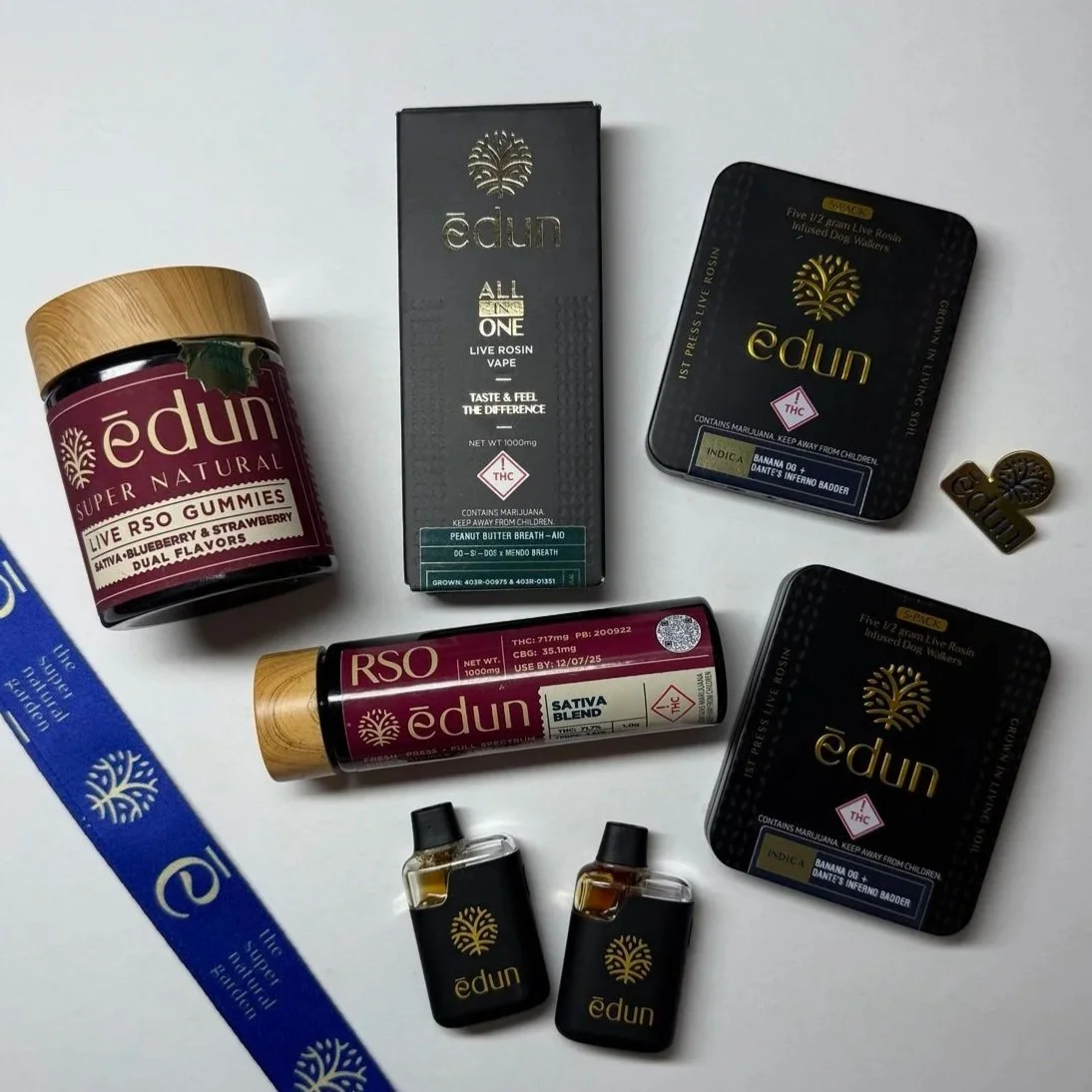
The sun was just rising over the horizon as I crossed the Nevada-Utah border bound for Colorado and two days of craft, solventless cannabis appreciation. If you have traveled through Colorado on I-70, you've been to Parachute too. The town is nestled into the mountains about equidistant between Grand Junction and Glenwood Springs. Pulling off the highway into Parachute, I stopped in for coffee and found my way to the hotel.

Today’s market is changing rapidly - all day, every day. There’s no more resting your laurels in product management and business in general. There are competitors already, and there will be more soon. This can be worrying, but doesn’t have to be, with proper internal processes.

I’ve been working on Agile and Scrum certifications for several years now. One of my certifications is called Certified Scrum Professional Product Owner or CSP-PO. I took this course through Scrum Alliance with the good folks at Applied Frameworks and learned quite a few techniques I use regularly in my product management work day to day…
For Agile product managers, story points are an essential part of the job. During each sprint, the product team works with other teams to set a sprint backlog of items to work on next. In some scenarios, this is easy, but in many others, market pressures, client demands and leadership expectations can conflict and introduce chaos…

Building SaaS isn’t an easy thing to do even when the team is technically able to get it done. There are emotions and relationships with one another, the work, the business, the market and so much more that can skew perspectives…
There’s one role that’s overlooked, underrated and overrated all at once on every team, and that my friend is the Scrum Master. This sometimes controversial role can be held by members of the scrum team…